The dynamics of neurons, fields and their interactions shift in depression
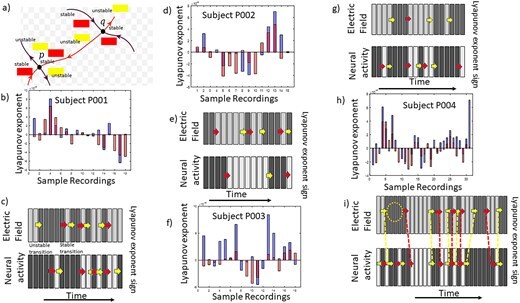
New paper explains how the dynamics of neurons, fields and their interactions shift in depression. This is motivated by the cytoelectric coupling hypothesis, which suggests that efficient information processing results from mesoscale electric fields and that the re-emergence of depression symptoms might result from altered electric fields. The SCC model of depression proposes that the subgenual cingulate cortex (SCC) becomes overactive, disrupting the normal functioning of the limbic, subcortical, and prefrontal regions it connects with. Deep brain stimulation (DBS) appears to restore effective signal propagation in some patients, at least temporarily. Our work aims to understand why DBS is not universally effective and why relapse occurs. We suggest that relapse can be explained by examining whether the electrical fields generated by SCC neurons and the neurons themselves evolve in tandem over time. When they begin to diverge, this may signal a loss of coordinated control—much like an orchestra in which musicians either follow the conductor or gradually drift out of alignment.